© 2026 drinamulhaq.com
Endoscopic Retrograde Cholangiopancreatography (ERCP)
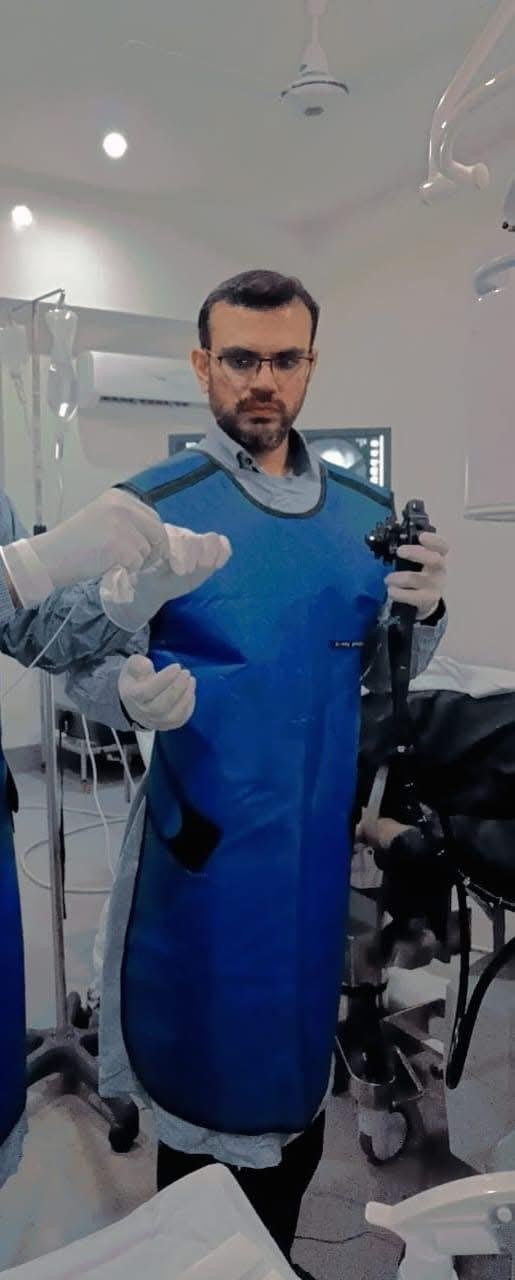
Endoscopic Retrograde Cholangiopancreatography, commonly known as ERCP, is an advanced endoscopic procedure used to diagnose and treat problems related to:
- Bile ducts
- Gallbladder
- Pancreas
- Pancreatic duct
The procedure combines:
- Endoscopy (camera examination through the mouth)
- Fluoroscopy/X-ray imaging
- Specialized therapeutic instruments
During ERCP, a flexible endoscope is passed through the mouth into the stomach and first part of the small intestine (duodenum). A tiny opening called the papilla is identified, through which the bile duct and pancreatic duct can be accessed.
Contrast dye is injected into these ducts and X-ray images are obtained to identify any blockage, stones, strictures, or other abnormalities. Various treatments can then be performed during the same procedure.
Why is ERCP Needed?
ERCP is usually recommended when there is suspicion of blockage or disease involving the bile ducts or pancreas.
Common Indications for ERCP
1. Common Bile Duct Stones:
Gallstones can sometimes migrate from the gallbladder into the bile duct, causing:
- Severe abdominal pain
- Jaundice
- Fever
- Infection
ERCP allows safe removal of these stones without open surgery.
2. Obstructive Jaundice:
When bile flow is blocked, patients may develop:
- Yellow discoloration of eyes and skin
- Dark urine
- Pale stools
- Itching
ERCP helps identify and relieve the blockage.
3. Cholangitis:
This is a serious infection of the bile ducts and can become life-threatening if untreated. ERCP is often an emergency life-saving procedure in such patients.
4. Bile Duct Strictures:
Narrowing of the bile duct may occur due to:
- Previous surgery
- Chronic inflammation
- Pancreatitis
- Tumors
ERCP can help dilate the narrowing and place stents to restore bile flow.
5. Pancreatic Diseases:
ERCP may also be used in selected pancreatic conditions such as:
- Chronic pancreatitis
- Pancreatic duct stones
- Pancreatic duct leaks
- Pancreatic strictures
6. Cancer-related Blockage:
Patients with cancers involving:
- Pancreas
- Bile duct
- Gallbladder
- Liver
may develop blockage of the bile duct. ERCP can provide relief through stent placement and improve quality of life.
7. Post-surgical or Bile Leak Management:
Sometimes after gallbladder or liver surgery, bile leakage may occur. ERCP is highly effective in treating these complications.
What Treatments Can Be Performed During ERCP?
ERCP is not just a diagnostic procedure; it is mainly therapeutic.
Common interventions include:
- Removal of bile duct stones
- Sphincterotomy (small cut to widen duct opening)
- Placement of plastic or metal stents
- Balloon dilatation of strictures
- Tissue sampling/biopsy
- Nasobiliary drainage
- Pancreatic duct interventions
Many patients who previously required surgery can now be treated endoscopically.
Is ERCP Painful?
ERCP is generally performed under sedation or anesthesia. Most patients remain comfortable during the procedure and do not remember much afterward.
The procedure usually takes between 30 minutes to one hour, depending on complexity.
Are There Any Risks?
Like all medical procedures, ERCP has some potential risks, although serious complications are uncommon when performed by experienced hands.
Possible complications include:
- Pancreatitis
- Bleeding
- Infection
- Perforation
- Sedation-related complications
Careful patient selection and expert technique significantly reduce these risks.
Our Experience at Advanced Endoscopy Center:
Advanced ERCP and therapeutic endoscopy services are available at Advanced Endoscopy Center by Dr. Inam Ul Haq, located at Saad Medical Complex, Faisalabad, where these procedures have been regularly performed over the past three years with a focus on safe, modern, and minimally invasive patient care.
When Should You Consult a Gastroenterologist?
You should seek medical evaluation if you experience:
- Yellow discoloration of eyes or skin
- Persistent upper abdominal pain
- Fever with jaundice
- Recurrent pancreatitis
- Unexplained itching
- Dark urine or pale stools
- Abnormal liver function tests
Early diagnosis and treatment can prevent serious complications.
If you or your loved one has symptoms related to jaundice, bile duct stones, or pancreatic disease, consultation with an experienced gastroenterologist can help determine whether ERCP may be beneficial.

About the Author
Dr. Inam ul Haq is a leading Gastroenterologist with over 15 years of experience in advanced endoscopy. He is passionate about patient education and preventive care.
لوگ کیا کہیں گے؟ — ایک خطرناک سوچ کی قیمت
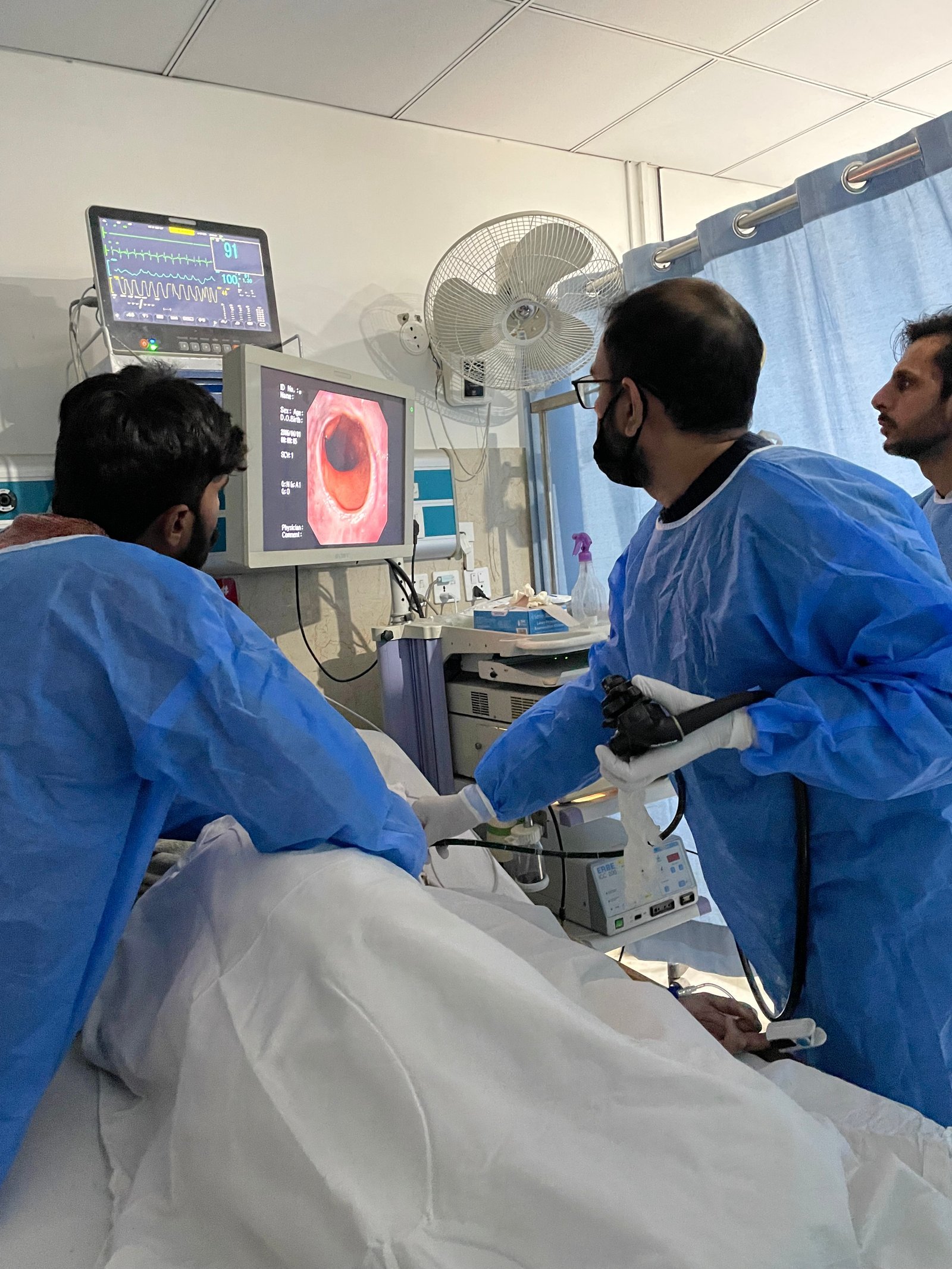
Ignoring rectal bleeding as hemorrhoids delayed colonoscopy and revealed rectal cancer, highlighting the importance of early endoscopic evaluation.
Read Full Article
غذائی نالی میں پھنسی 35 سینٹی میٹر لمبی مسواک — بروقت اینڈوسکوپی سے کامیاب علاج
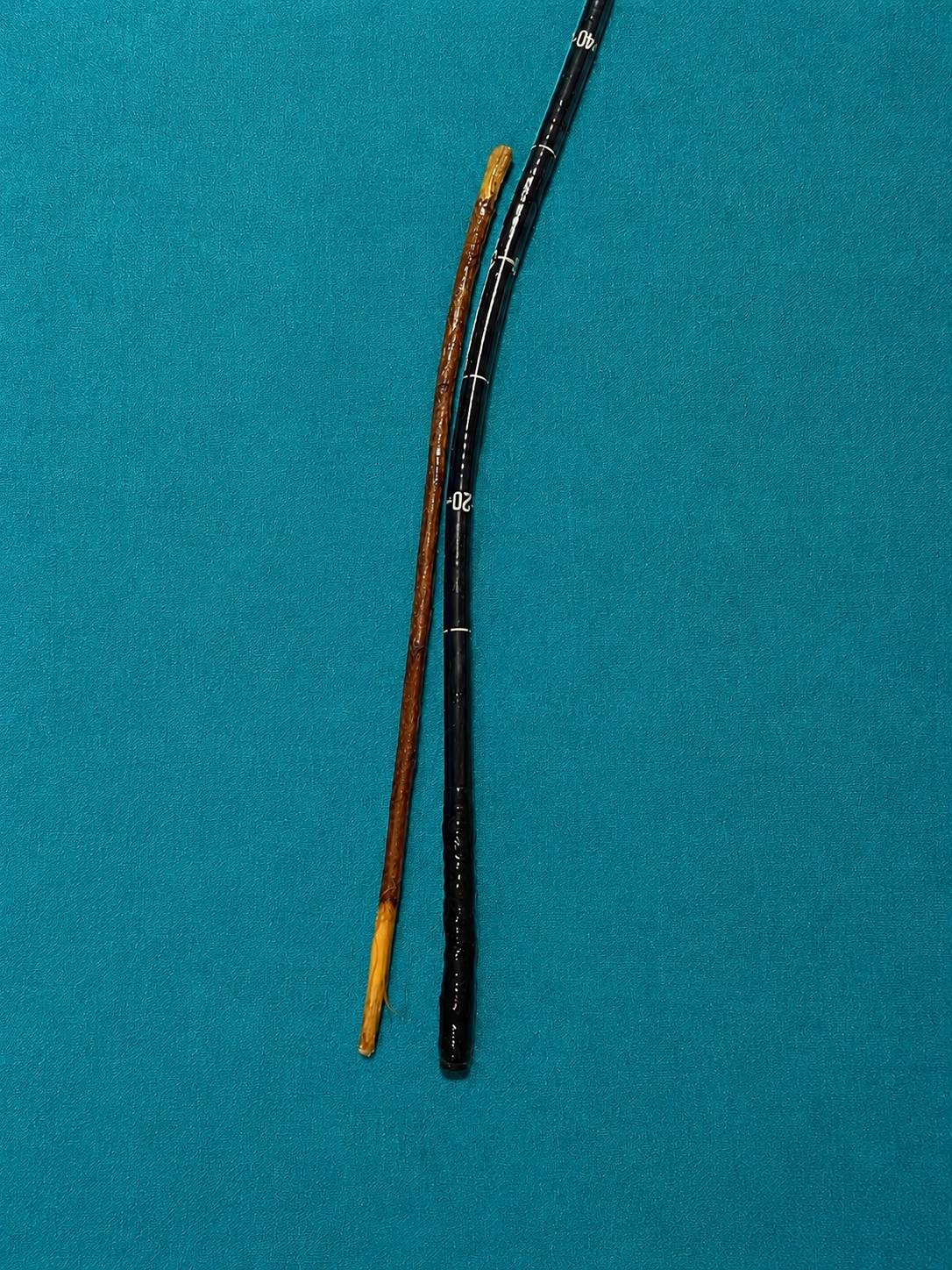
A 35 cm miswak stuck in the esophagus was successfully removed through emergency endoscopy, preventing serious complications and surgery.
Read Full Article
Colonoscopy
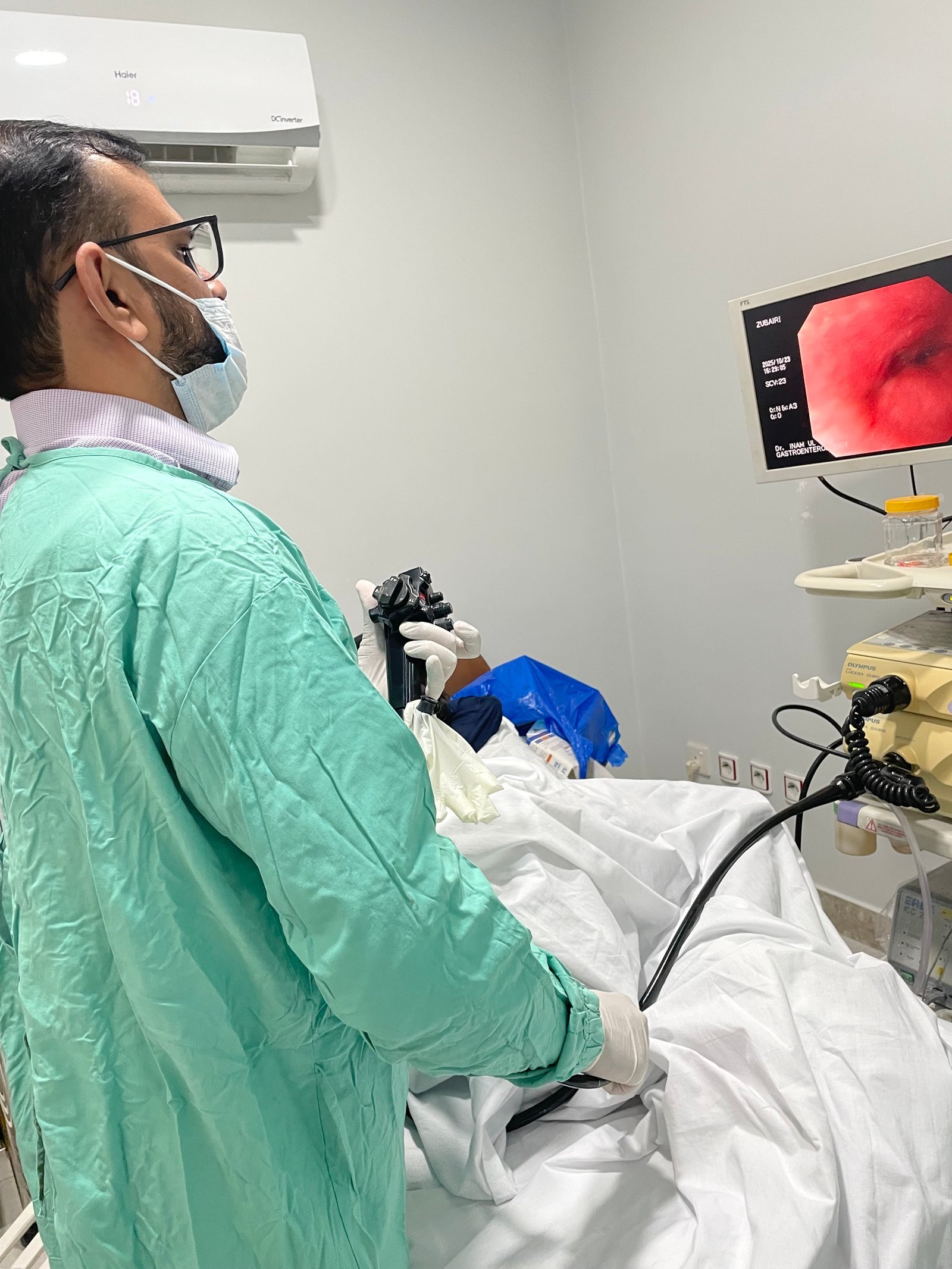
Learn about colonoscopy, its procedure, preparation, benefits, risks, and how it helps diagnose colon diseases and detect colon cancer early.
Read Full Article