© 2026 drinamulhaq.com
Colonoscopy
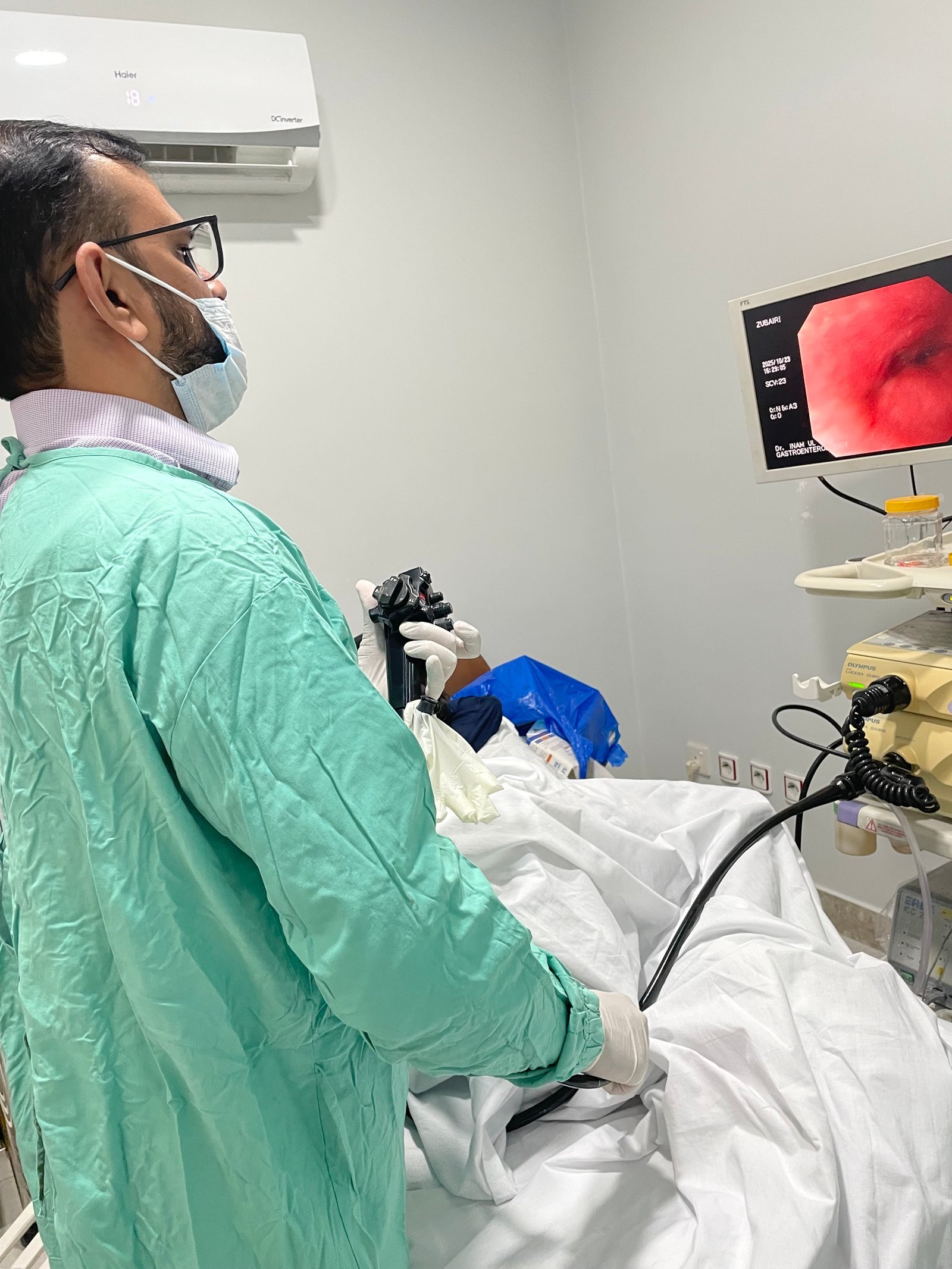
What is Colonoscopy?
Colonoscopy is a minimally invasive procedure used to examine the:
- Large intestine (colon)
- Rectum
- Terminal part of the small intestine in selected cases
During the procedure, a thin flexible tube with a camera and light source called a colonoscope is passed through the rectum to visualize the inner lining of the colon in real time. Colonoscopy helps diagnose many gastrointestinal diseases and also allows certain treatments to be performed during the same procedure without surgery.
Why is Colonoscopy Performed?
Colonoscopy is recommended for patients with persistent bowel-related symptoms, gastrointestinal bleeding, or for screening purposes.
Common Indications for Colonoscopy
1. Rectal Bleeding or Blood in Stool
Patients experiencing:
- Fresh blood in stool
- Blood mixed with stool
- Recurrent rectal bleeding
may require colonoscopy to evaluate causes such as:
- Hemorrhoids
- Polyps
- Colitis
- Colon cancer
- Diverticular disease
2. Chronic Diarrhea
Persistent diarrhea may occur due to:
- Inflammatory bowel disease (IBD)
- Ulcerative colitis
- Crohn’s disease
- Infections
- Microscopic colitis
Colonoscopy helps identify the underlying cause through direct visualization and biopsy.
3. Chronic Constipation or Change in Bowel Habits
A significant or persistent change in bowel habits may require evaluation for:
- Colon tumors
- Strictures
- Motility disorders
- Obstruction
4. Unexplained Anemia
Iron deficiency anemia without an obvious cause may sometimes result from slow bleeding inside the colon.
Colonoscopy helps identify hidden sources of blood loss.
5. Abdominal Pain or Bloating
Persistent lower abdominal discomfort, bloating, or cramps may occur due to:
- Colitis
- Polyps
- Diverticular disease
- Colorectal tumors
6. Screening for Colon Cancer
Colonoscopy is considered the gold standard test for screening colorectal cancer.
It helps detect:
- Precancerous polyps
- Early-stage cancers
- High-risk lesions
Early detection significantly improves treatment outcomes.
7. Family History of Colon Cancer or Polyps
Patients with a family history of colorectal cancer or polyps may require earlier or more frequent screening colonoscopies.
8. Follow-Up After Previous Polyps or Cancer
Patients who previously had colon polyps or colorectal cancer often require surveillance colonoscopy to monitor for recurrence.
What Treatments Can Be Performed During Colonoscopy?
Colonoscopy is not limited to diagnosis only. Many therapeutic procedures can also be performed, including:
- Biopsy sampling
- Polyp removal (polypectomy)
- Control of bleeding
- Dilatation of strictures
- Foreign body removal
- Decompression procedures in selected cases
Many conditions can now be treated endoscopically without major surgery.
Is Colonoscopy Painful?
Colonoscopy is usually performed under sedation, making the procedure comfortable for most patients.
Patients may experience mild bloating or abdominal discomfort temporarily after the procedure due to air insufflation.
The procedure generally takes:
- 20–40 minutes
depending on the indication and findings.
Most patients return home the same day after a short observation period.
Is Bowel Preparation Necessary?
Yes. Proper bowel cleansing is extremely important for a successful colonoscopy.
Patients are usually advised to:
- Follow a special diet before the procedure
- Take prescribed bowel preparation medications
- Avoid certain foods and medications temporarily
Good bowel preparation improves visibility and increases diagnostic accuracy.
Are There Any Risks?
Colonoscopy is considered a very safe procedure when performed by trained specialists.
Complications are uncommon but may include:
- Temporary bloating or cramps
- Bleeding
- Perforation (rare)
- Sedation-related complications
- Infection (uncommon)
Modern endoscopic techniques help minimize these risks.
When Should You Consult a Gastroenterologist?
You should seek medical evaluation if you experience:
- Blood in stool
- Persistent diarrhea or constipation
- Unexplained anemia
- Change in bowel habits
- Persistent abdominal pain or bloating
- Weight loss
- Family history of colon cancer
- Recurrent rectal bleeding
Early diagnosis helps prevent complications and improves treatment outcomes.
Colonoscopy Services in Faisalabad
Diagnostic and therapeutic colonoscopy services are available at Advanced Endoscopy Center by Dr. Inam Ul Haq at Saad Medical Complex, where modern endoscopic procedures are regularly performed with a focus on safe, minimally invasive, and patient-centered care.
About the Author
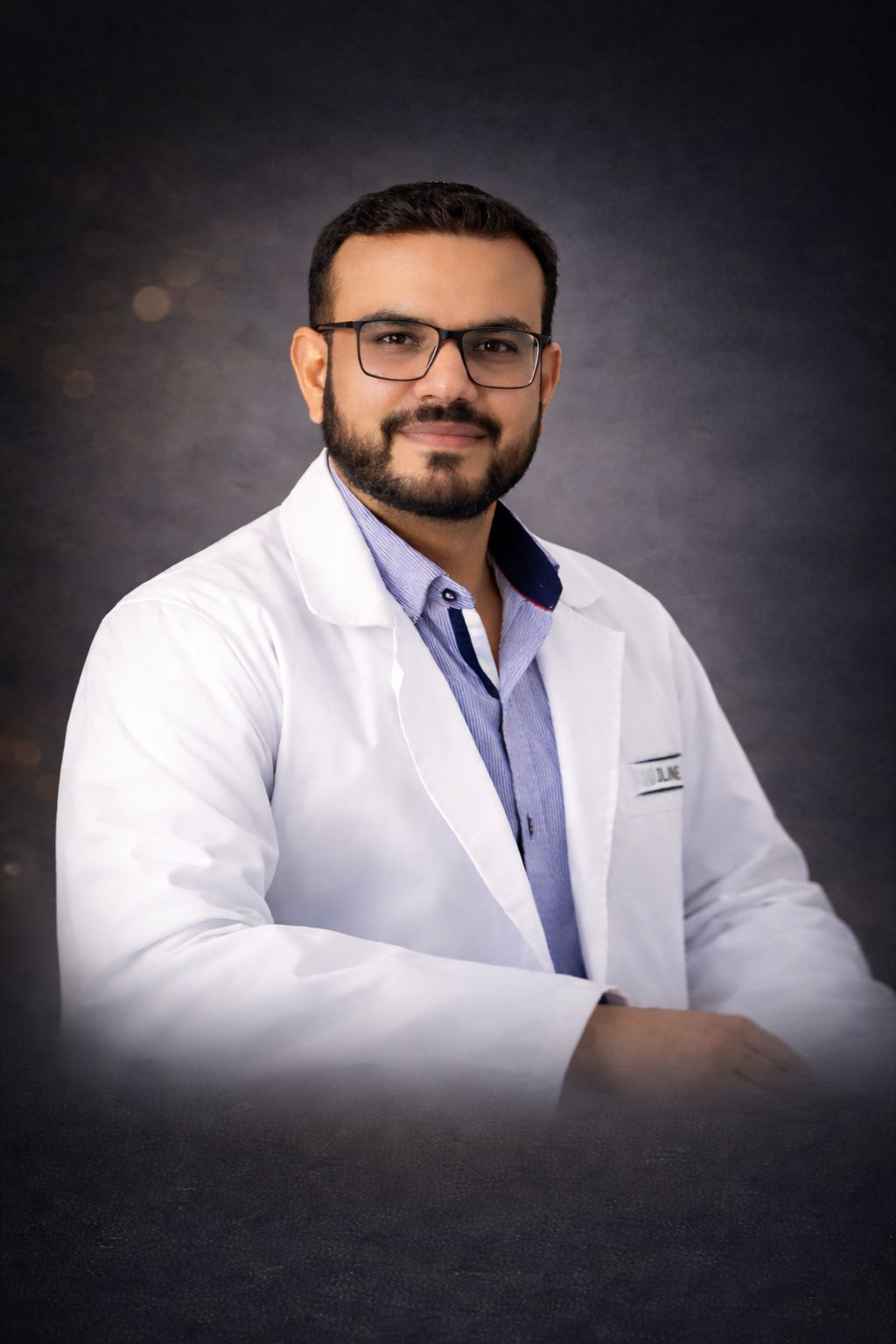
Dr. Inam ul Haq is a leading Gastroenterologist with over 15 years of experience in advanced endoscopy. He is passionate about patient education and preventive care.
لوگ کیا کہیں گے؟ — ایک خطرناک سوچ کی قیمت
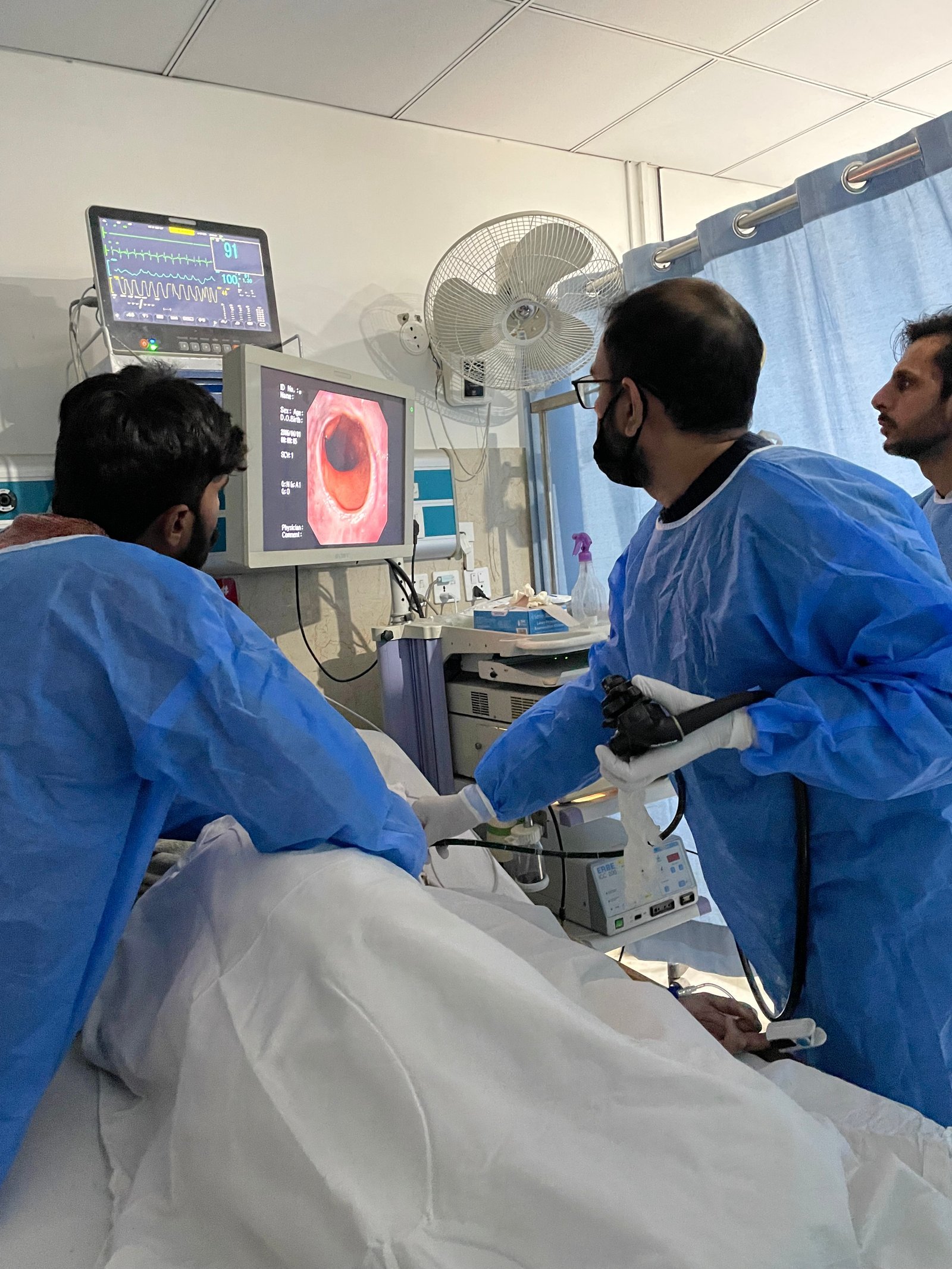
Ignoring rectal bleeding as hemorrhoids delayed colonoscopy and revealed rectal cancer, highlighting the importance of early endoscopic evaluation.
Read Full Article
غذائی نالی میں پھنسی 35 سینٹی میٹر لمبی مسواک — بروقت اینڈوسکوپی سے کامیاب علاج
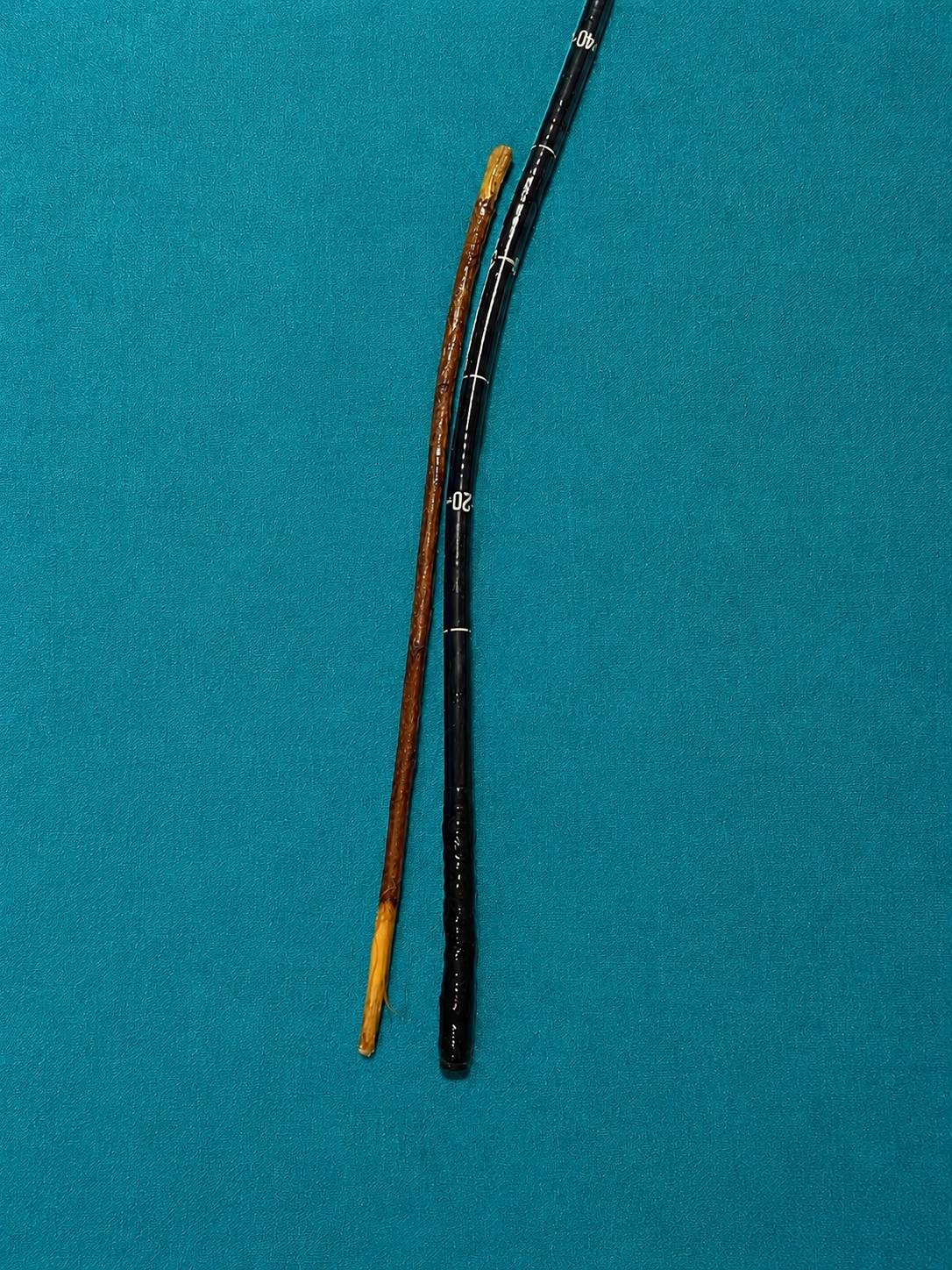
A 35 cm miswak stuck in the esophagus was successfully removed through emergency endoscopy, preventing serious complications and surgery.
Read Full Article
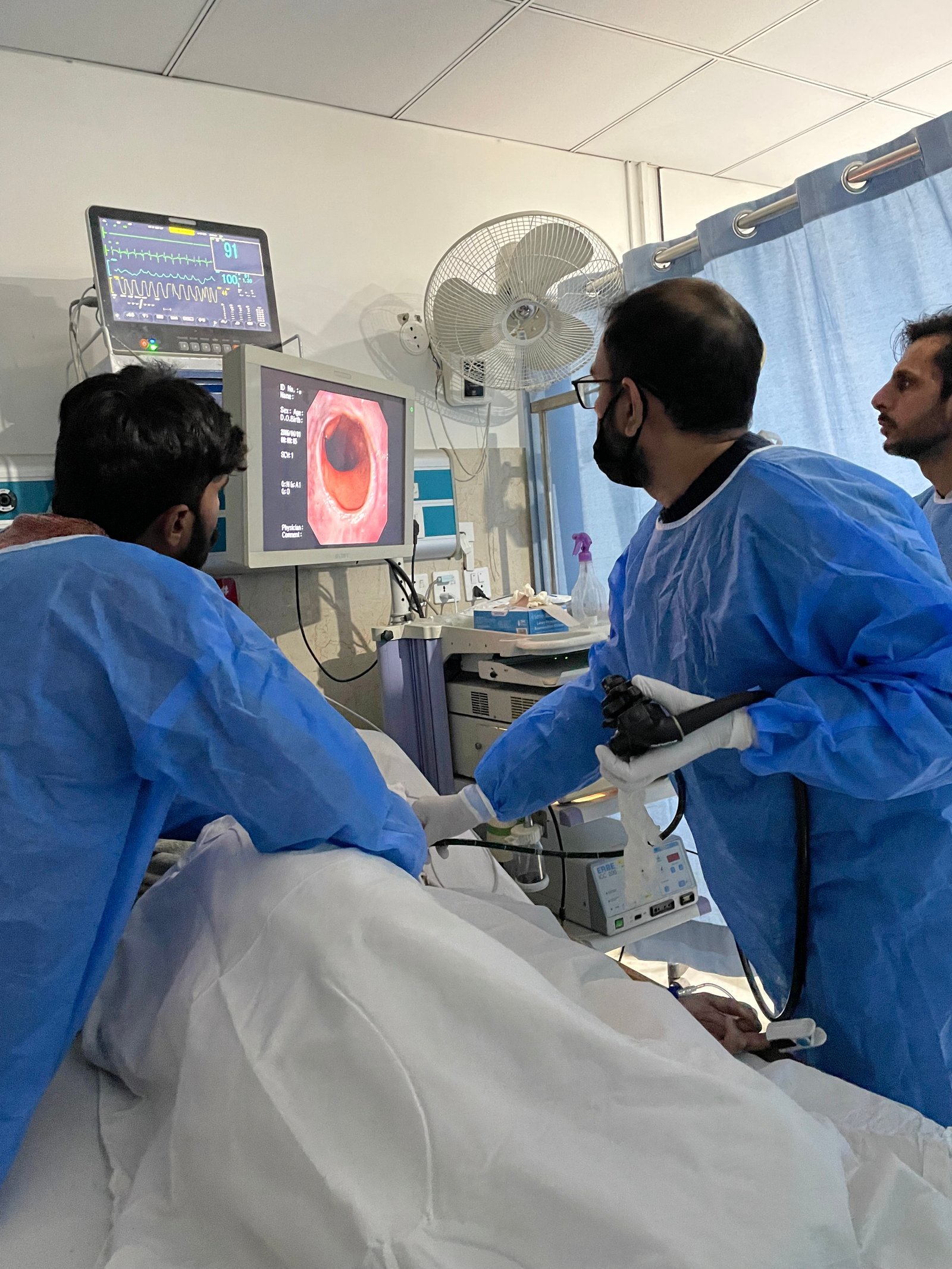
Upper Gastrointestinal Endoscopy (EGD)
Dr Inam ul Haq performs ERCP & upper GI endoscopy at Advanced Endoscopy Center, Saad Medical Complex Faisalabad for safe accurate diagnosis. and treatment care.
Read Full Article